If you want a Los Angeles neighborhood that feels creative without feeling chaotic, Atwater Village deserves a closer look. You may be trying to balance character, daily convenience, outdoor access, and a realistic commute, all while figuring out whether the area actually fits your life. This guide will help you understand what Atwater Village is like day to day, what kinds of homes you’ll find, and what trade-offs come with the neighborhood’s growing popularity. Let’s dive in.
Why Atwater Village Stands Out
Atwater Village sits between the Los Angeles River and Glendale, with Silver Lake to the south and Los Feliz and Griffith Park across the river. Its main thoroughfares include Glendale Boulevard, Los Feliz Boulevard, Fletcher Drive, and San Fernando Road, and both the Golden State and Glendale freeways run along its edges.
That location gives you a useful mix of neighborhood feel and regional access. Atwater does not read like the center of the city, but it also does not feel cut off from the rest of Los Angeles.
For many creative buyers, that balance is a big part of the appeal. You get a neighborhood with its own identity, but you are still connected to nearby hubs for work, meetings, production, dining, and everyday errands.
Atwater Village Has a Lived-In Feel
Atwater Village is often described as village-like, and that label makes sense when you spend time around Glendale Boulevard and the nearby side streets. A lot of the daily activity is concentrated there, which gives the neighborhood a grounded, local rhythm.
Proof Bakery opened in Atwater Village in 2010, Bon Vivant Market & Cafe describes itself as a community hub on Glendale Boulevard, and Potted is also part of the area’s small-business mix. Walk Score reports about 115 restaurants, bars, and coffee shops in the neighborhood, with an average of three reachable within five minutes.
That matters if you want a place where daily life happens close to home. Instead of relying on a single destination, Atwater offers a cluster of independent spots that contribute to its creative texture.
Walkability, Transit, and Getting Around
Atwater Village is practical when it comes to mobility. Walk Score ranks it as the 34th most walkable neighborhood in Los Angeles, with a walk score of 73, a transit score of 51, and a bike score of 71.
In plain terms, you can do a fair amount on foot, and biking is a real part of the neighborhood experience. Transit is available, but most people will likely think of it as a support rather than the main way they move through the city.
Metro Line 92 connects Atwater-area riders with Downtown LA, Echo Park, Silver Lake, Glendale, Burbank, Sun Valley, Pacoima, and Sylmar. Combined with the freeway access around the neighborhood, Atwater tends to support a car-plus-transit lifestyle more than a transit-first one.
If you work in a creative field, that setup may feel familiar. You can stay neighborhood-based day to day, then still reach other parts of LA when your schedule takes you elsewhere.
Outdoor Access Is a Real Advantage
One of Atwater Village’s strongest lifestyle advantages is its connection to the river edge and nearby park space. This is not just a neighborhood with coffee shops and character homes. It also gives you meaningful access to outdoor routines.
North Atwater Park is a 5.36-acre Los Angeles park at 3900 W. Chevy Chase Drive. It includes a baseball diamond, basketball courts, a children’s play area, a splash pad, volleyball courts, and benches.
Griffith Park adds even more range to that outdoor access. At more than 4,210 acres, it includes hiking, horseback riding trails, picnic areas, bike paths, and major cultural attractions.
City documents also describe the Los Angeles River Bike Path as connecting Zoo Drive and Riverside Drive with Fletcher Drive along the edge of Griffith Park and adjacent to Atwater Village. The city’s LA Riverway Phase IV project is designed to extend a multi-use path and a parallel equestrian path between Griffith Park, Atwater Village, and Glendale.
For buyers who want a neighborhood that supports walking, biking, or a quick reset outdoors, that river-and-park connection is a major part of Atwater’s identity. It adds breathing room to everyday life.
The Creative Appeal of Atwater Village
For creative professionals, Atwater Village often checks boxes that are hard to find in one place. It has local businesses, older homes with personality, nearby green space, and a location that keeps you close to several other Eastside areas.
There is also a sense of texture here that can feel more human-scale than some busier parts of Los Angeles. You are not just buying access to amenities. You are buying into a pace and setting that many people find easier to live in over time.
Historic-district materials also describe an equestrian community along the river with riverside trails, mature trees, and dirt roadways. That detail reinforces something buyers often notice right away: Atwater Village has layers, and those layers shape how the neighborhood feels.
What Homes in Atwater Village Look Like
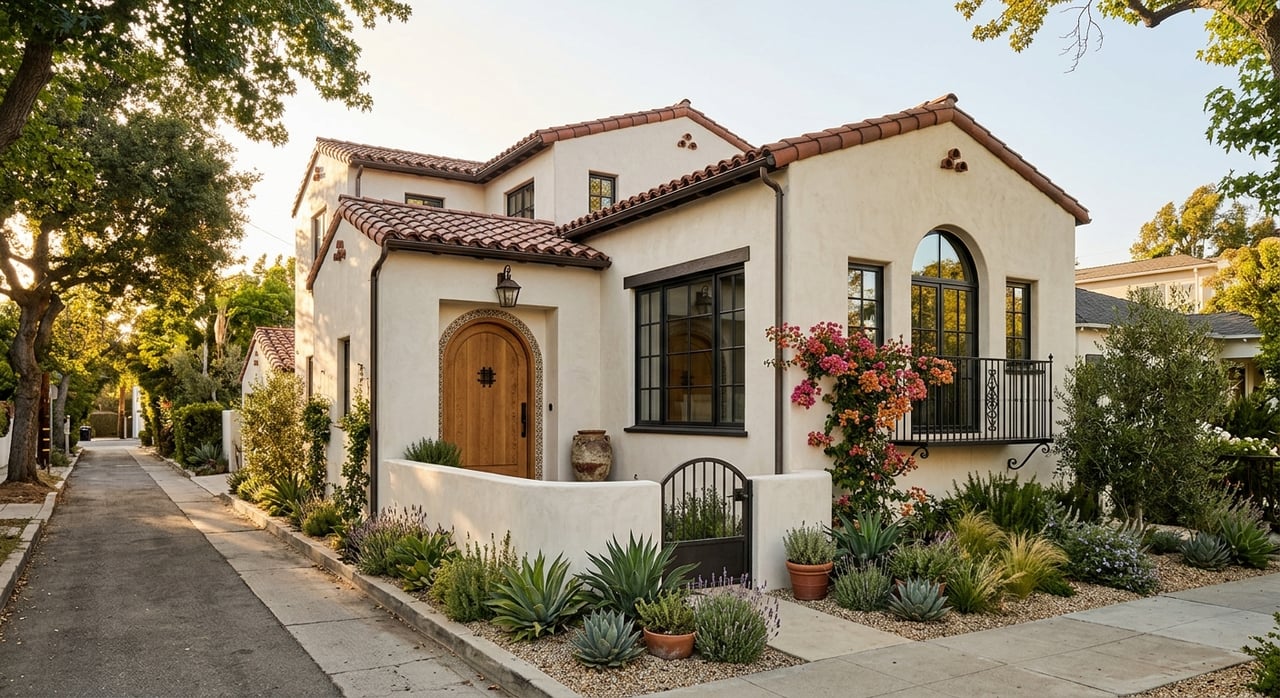
Atwater’s housing stock is one of its clearest differentiators. The neighborhood council says many Spanish-style houses, bungalows, and other homes built from the 1920s to the 1940s still retain original details.
If you are drawn to older character homes, this is a meaningful part of the neighborhood’s appeal. The area’s low-rise, river-adjacent character stands out in a city where many buyers are comparing very different housing types block by block.
City historic-resource work also identifies the Atwater Village Equestrian Historic District. That supports the idea that Atwater is not just another interchangeable Los Angeles neighborhood. Its built environment still reflects an older identity.
At the same time, the local market includes more than just detached houses. Current inventory tracked for the neighborhood includes single-family homes, townhouses, condos and co-ops, and multi-family properties.
What Buyers Should Know About Price and Competition
Atwater Village may feel relaxed, but its housing market is not. Redfin reports a median sale price of $1,412,025 over the last three months, with a median of 32 days on market and homes selling for 107.1% of list price.
Those numbers point to a very competitive environment. If you are shopping here, it helps to be clear on your priorities early and ready to move when the right property appears.
Compared with nearby neighborhoods, Atwater sits in a middle-to-upper Eastside price band. Redfin shows Silver Lake at about $1.4 million, Echo Park at $1.30 million, Los Feliz at $1.95 million, Glendale at $1.28 million, and Glassell Park at $979,670.
That comparison is useful because it shows where Atwater fits in the broader conversation. It is not an under-the-radar budget option, but it may still appeal to buyers who want a more village-scale environment than some nearby alternatives.
Redfin’s nearby comparison gives Atwater a Compete Score of 89, versus 69 for Silver Lake and 63 for Los Feliz. In practical terms, you should expect a fast-moving market where preparation matters.
Is Atwater Village a Good Fit for You?
Atwater Village can be a strong fit if you value walkability, independent businesses, older architecture, and outdoor access near the Los Angeles River and Griffith Park. It can also work well if you want to stay connected to multiple parts of LA without living in a neighborhood that feels overly busy.
The main trade-off is cost and competition. Atwater now sits firmly in a premium, fast-moving price tier, so the neighborhood lifestyle comes with a higher barrier to entry than it once did.
That does not mean it is out of reach for every buyer. It means your strategy matters, especially if you are comparing homes across Atwater, Silver Lake, Glendale, Los Feliz, or Glassell Park.
Why Strategy Matters in Atwater
In a neighborhood like Atwater Village, broad market headlines only tell you so much. What matters more is how a specific property fits your budget, timing, and long-term goals.
A character house near the river may offer a very different experience from a condo or townhome closer to the main commercial stretch. The right approach is usually less about chasing hype and more about understanding trade-offs clearly.
That is especially true in a market where homes move quickly and buyers often need to weigh lifestyle, commute, and property condition at the same time. Calm local guidance can make that process a lot more manageable.
If you are exploring Atwater Village and want a grounded read on how it compares with nearby neighborhoods, Justin Mitchell can help you think through the options with clarity and a hands-on Los Angeles perspective.
FAQs
What is Atwater Village like for daily life in Los Angeles?
- Atwater Village offers a village-scale feel with daily amenities centered around Glendale Boulevard and nearby side streets, plus about 115 restaurants, bars, and coffee shops according to Walk Score.
How walkable is Atwater Village for buyers considering the neighborhood?
- Walk Score gives Atwater Village a walk score of 73, a transit score of 51, and a bike score of 71, which suggests solid walkability and bike access with more moderate transit convenience.
What types of homes are common in Atwater Village?
- Atwater Village is known for Spanish-style houses, bungalows, and other homes from the 1920s to 1940s, along with condos, townhouses, and multi-family properties in the broader housing mix.
How competitive is the Atwater Village real estate market?
- Recent market data shows Atwater Village is very competitive, with a median sale price of $1,412,025, median days on market of 32, and homes selling for 107.1% of list price.
What outdoor amenities are near Atwater Village?
- Atwater Village has access to North Atwater Park, the Los Angeles River Bike Path, and Griffith Park, which includes hiking, bike paths, horseback riding trails, picnic areas, and other recreational features.