Are you buying a home, or are you buying a hillside lifestyle with a whole extra layer of trade-offs? In the Hollywood Hills, that question matters more than most buyers expect. If you are thinking about making a move here, it helps to understand how pricing, access, views, permits, and wildfire risk all shape the decision. Let’s dive in.
Hollywood Hills Is Not One Market
One of the biggest mistakes buyers make is treating the Hollywood Hills like a single neighborhood. It is better understood as a collection of hillside enclaves, each with its own feel, street pattern, architecture, and practical challenges.
City planning materials describe Hollywood hillside districts as places with curving roads, irregular sloping lots, public stairways in some areas, and expansive views. That physical layout creates a very different buying experience from flatter parts of Los Angeles. Two homes with similar square footage can live very differently based on the street, slope, and setting.
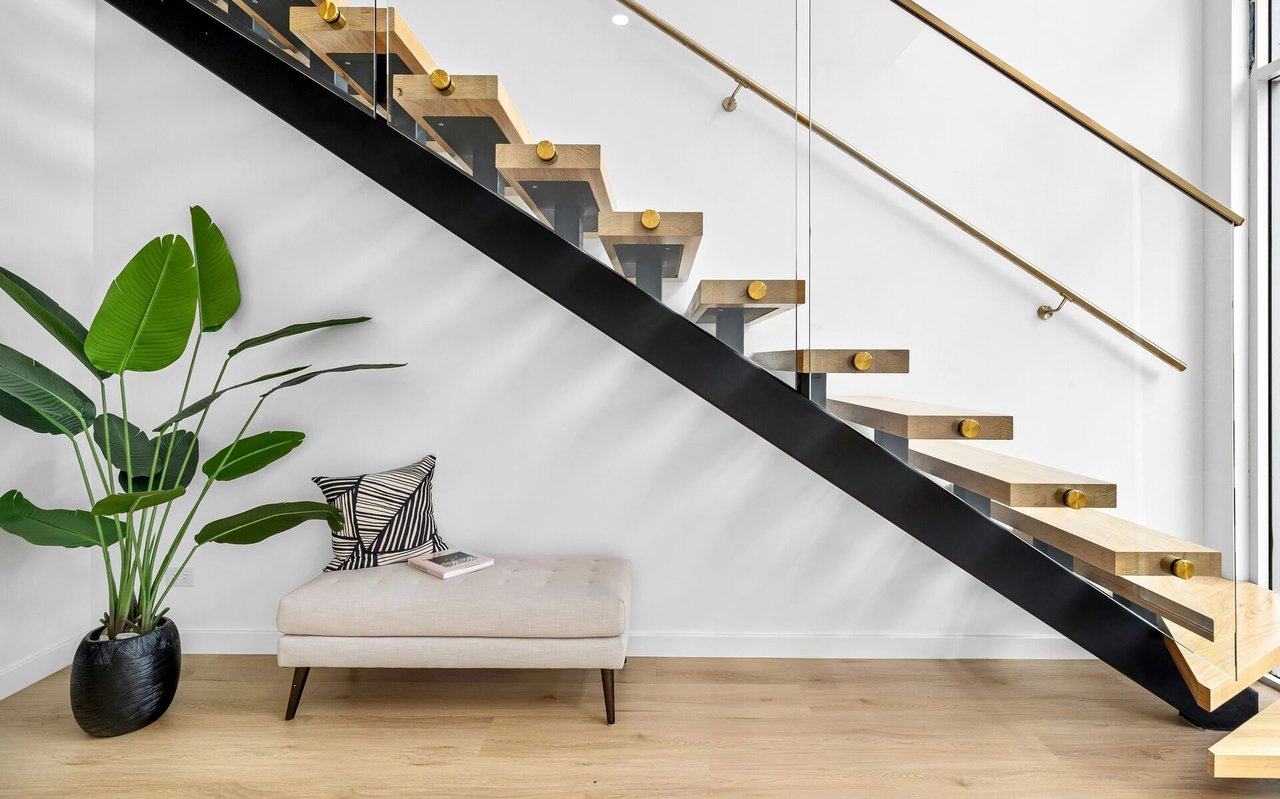
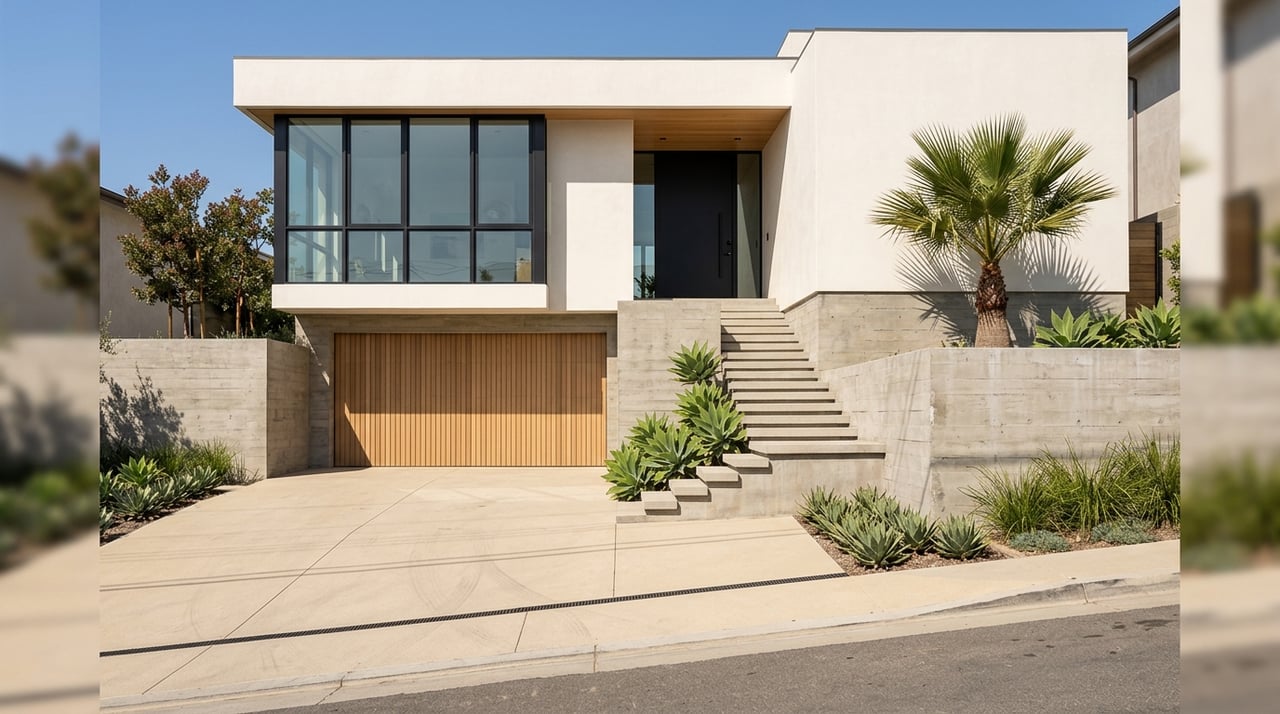
That also shows up in the architecture. Earlier pockets include Spanish Colonial, Mediterranean, and other Period Revival styles, while later sections feature many Modern and architect-designed homes. The area is especially known for hillside Modern houses tied to well-known architects such as Schindler, Lautner, Kappe, Dorman, Neutra, Gesner, and Koenig.
Why Micro-Location Drives Value
In the Hollywood Hills, pricing is not just about size or finishes. Micro-location often drives value just as much as the house itself.
Recent market data points to a premium market, but not a uniform one. Zillow reported an average home value of $1,953,972 and a May 2026 median sale price of $2,106,667 for Hollywood Hills. Redfin showed Hollywood Hills West at a $2.1 million median sale price over the three months ending May 2026, while Douglas Elliman reported January 2026 medians of $1,512,500 in Hollywood Hills East and $2,200,000 in Sunset Strip-Hollywood Hills West.
Those numbers are directional, not identical, because each source uses different methods. Still, the pattern is clear. The broad Hollywood Hills label covers multiple submarkets with different price bands and buyer pools.
Views Matter, But Not Always How You Think
Many buyers assume the best house is the one with the biggest headline view. In reality, view value can be more nuanced. In hillside housing, a canyon-facing view may matter just as much as a city-facing one, especially when it adds privacy, depth, and a quieter visual experience.
Street position matters too. A ridge home, a canyon-edge home, and a lower-street home may compete like different products, even within the same pocket. That means your search should focus less on zip-code labels and more on the exact block, orientation, access, and sense of privacy.
What To Look For Beyond The Photos
Hollywood Hills homes can photograph beautifully. But in this part of Los Angeles, a smart buying process goes beyond finishes, staging, and sunset deck shots.
A listing may show a pool, a series of decks, a dramatic retaining wall, or a reworked floor plan. In the hills, those features can add real appeal, but they also raise practical questions about permits, inspections, maintenance, and site conditions.
That is why it helps to approach each property in layers. First look at the lifestyle fit. Then look at the underlying property facts that affect long-term comfort, cost, and resale.
Access And Parking Need A Close Look
Access is one of the most important checks in the Hollywood Hills. Narrow, winding roads may be part of the charm, but they can also affect daily convenience and emergency response.
LAFD evaluates public and private streets and fire lanes for width, grade, turnarounds, parking restrictions, overhead clearance, load capacity, and secured entrances. The department also uses Red Flag parking restrictions in hillside areas to preserve emergency access.
If a home is on a tight street, ask practical questions early. How easy is it to pass another car? Is guest parking realistic? Does the driveway feel manageable for your day-to-day routine? These quality-of-life details can shape how the home feels long after the showing ends.
Gates And Driveways Can Affect Function
Security features are common in hillside homes, but they should not be viewed as purely aesthetic upgrades. LAFD standards say a security gate must not reduce required roadway width below 20 feet free and clear.
That means a gate, driveway setup, or entry sequence can affect more than curb appeal. In some cases, it can be part of a larger access conversation tied to safety and property usability.
Permit History Matters More In The Hills
Permit history is important anywhere, but it carries extra weight in hillside neighborhoods. When a property includes additions, decks, retaining walls, pools, or major site work, you want to know whether the work appears in city records and whether it was signed off after inspection.
LADBS says buyers can use its records to research permits, site plans, inspections, and code-enforcement documents. Its permit and inspection system also shows that permitted work is approved through inspections, with final signoff at completion.
For buyers, the takeaway is simple. If a home has been expanded or reworked, verify the paper trail. That is especially true for improvements that affect structure, grading, drainage, or hillside use.
Inspections Should Be Broader Than Usual
A standard home inspection is only the starting point in the Hollywood Hills. California DRE advises buyers to inspect systems and components such as electrical, plumbing, HVAC, roof, foundation, structural integrity, and pest issues, along with septic or solar if present.
In hillside homes, you should also ask specifically about drainage, slope movement, and retaining-wall history. City engineering guidance for hillside development addresses side slopes and soil conditions, which makes site-related questions especially relevant here.
This does not mean every hillside home has a problem. It means the inspection conversation should match the setting. A house on a slope has different risks and maintenance patterns than one on a flat suburban lot.
Ask Better Inspection Questions
When you review a property, consider asking:
- Has there been any known slope movement or drainage issue?
- What is the history of the retaining walls?
- Were decks, pools, or additions permitted and finalized?
- How old are the roof and major systems?
- Are there any visible signs of water intrusion or site runoff?
These questions help you move from surface impressions to real decision-making.
Read Disclosures Carefully
In California, disclosures are a core part of the buying process. DRE notes that sellers typically provide a Real Estate Transfer Disclosure Statement and a Natural Hazard Disclosure Statement, along with agency relationship and preliminary title information.
The transfer disclosure covers the property’s physical condition and known defects, but it is not a warranty or a substitute for inspections. In other words, it gives you important information, but you still need to verify what matters through your own due diligence.
In the Hollywood Hills, disclosures can be especially meaningful because site conditions, past improvements, and hazard classifications may all affect your comfort with the property. This is one area where careful review can save you from expensive surprises later.
Fire Hazard And Insurance Are Early Steps
Wildfire risk should be treated as standard due diligence in the Hollywood Hills. It is not an unusual side issue here. It is part of understanding the property.
State law requires disclosure if a home is in a very high fire hazard severity zone. For homes built before January 1, 2010, buyers also receive additional notice about wildfire-urban-interface code compliance.
LAFD emphasizes brush clearance, defensible space, and access-preserving rules. The California Department of Insurance points consumers to wildfire preparedness resources and the FAIR Plan as an insurer of last resort.
Get Insurance Quotes Early
One of the smartest moves you can make is getting homeowners insurance quotes early in the process. This is especially important for steep lots or parcels near brush.
If you wait until late in escrow, insurance pricing or availability can become a stressful surprise. Early quotes help you understand the real monthly cost of ownership and whether a property still fits your budget.
How To Buy Strategically In The Hills
A smart Hollywood Hills purchase usually comes down to balancing beauty with practicality. You may fall for the architecture, the privacy, or the view, but the best decision usually comes from looking at the full picture.
That includes:
- The exact micro-location
- Access and parking ease
- View orientation and privacy
- Permit history and final signoffs
- Inspection scope for slope, drainage, and retaining walls
- Fire hazard disclosures
- Insurance availability and cost
When you buy with that lens, you are less likely to be swayed by presentation alone. You are more likely to choose a home that works well both emotionally and financially.
Why Local Guidance Matters
The Hollywood Hills can be exciting, but it is not a plug-and-play market. The same details that make a home feel special can also create complexity.
That is where calm, local guidance matters. A detail-oriented buyer’s agent can help you compare hillside micro-markets, spot questions behind the photos, review permit records, and weigh trade-offs without adding pressure.
If you are considering a move in the Hollywood Hills and want a thoughtful, grounded approach, Justin Mitchell can help you navigate the search with local perspective and hands-on support.
FAQs
What makes buying in the Hollywood Hills different from other Los Angeles neighborhoods?
- The Hollywood Hills is made up of hillside enclaves with different architecture, access patterns, lot conditions, and pricing, so buyers need to evaluate each property with more location-specific detail.
What is the typical home price in the Hollywood Hills?
- Recent 2026 market snapshots show premium pricing, with reported figures including an average home value of $1,953,972, a median sale price of $2,106,667, and meaningful variation between Hollywood Hills East and West.
Why do views affect Hollywood Hills home values so much?
- Views can shape privacy, orientation, and overall feel, and in hillside settings a canyon-facing or ridge-positioned home may command interest for reasons that go beyond interior finishes.
What should buyers inspect in a Hollywood Hills home?
- Along with standard inspections for roof, foundation, systems, and pests, buyers should ask about drainage, slope movement, retaining walls, and the permit status of decks, pools, and additions.
Why is permit history important when buying in the Hollywood Hills?
- Hillside properties often include structural and site-related improvements, so buyers should verify that additions and exterior features appear in LADBS records and received final inspection signoff.
How do wildfire disclosures affect Hollywood Hills buyers?
- Buyers may receive disclosure if a property is in a very high fire hazard severity zone, and older homes may also come with wildfire-urban-interface compliance notices, which makes early review and insurance planning important.
When should I get insurance quotes for a Hollywood Hills property?
- It is wise to request insurance quotes early in the buying process, especially for steep or brush-adjacent lots, so you understand cost and availability before getting too far into escrow.